

When applying for a Business License Malaysia, one of the biggest challenges is not only preparing documents, but knowing which license your business actually needs.
Many business owners assume that every company applies for the same type of business license. In reality, the required license can be different depending on your business activity, business premises, local council area, industry, signboard usage, renovation work, and whether extra approvals are required.
For example, a retail shop, restaurant, factory, office, warehouse, beauty salon and trading company may all have different licensing requirements. Some businesses may only need a premise license and signboard license, while others may require factory license, restaurant license, Bomba support letter, partition permit or other related approvals.
This guide explains how different industries affect Business License Malaysia requirements, so you can better understand what to prepare before starting your business operation.
Before Applying, Identify Your Business Activity First
Before you apply for a business license, you should clearly identify your actual business activity.
This is important because the license category must match what your business is really doing at the premises. If your company is registered as general trading but your actual operation involves food preparation, manufacturing, storage, repacking or customer treatment services, the licensing requirements may be different.
For example:
A company selling products from a shop may need a retail business premise license.
A restaurant may need a restaurant license, premise license, signboard license and health-related approval.
A factory may need a factory license and may also require safety, fire or environmental-related supporting documents.
An office-based company may still need a premise license depending on the local council requirement.
Choosing the wrong license category can cause unnecessary delays, document resubmission, inspection issues or even rejection. That is why business owners should review the business activity properly before starting the Business License Malaysia application process.
1. Retail Shop Business License Malaysia
Retail businesses are among the most common businesses that require a local council business license. This may include clothing shops, convenience stores, grocery shops, furniture shops, mobile phone shops, hardware shops, stationery shops and other physical retail outlets.
For this type of business, the required approval is usually related to the business premises and signboard.
Common requirements may include:
- SSM company or business registration documents
- Copy of owner or director identification
- Tenancy agreement or proof of property ownership
- Photos of the shop premises
- Business activity details
- Signboard design and measurement
- Local council application forms
If the shop has an external signboard, a Signboard License Malaysia may also be required. Some local councils process premise and signboard applications together, while others may require separate submission.
Retail businesses should make sure the business activity stated in the application is accurate. For example, if the shop sells food, health products, electrical goods or controlled items, additional approval may be required depending on the product category.
2. Office Business License Malaysia
Some business owners think that an office does not need a business license because it does not operate like a shop. However, many office-based businesses may still need a premise license, especially when they operate from a commercial building, shoplot or office unit.
This may apply to businesses such as:
- Consultancy companies
- Accounting firms
- Marketing agencies
- IT companies
- Trading companies
- Training centres
- Management companies
- Service providers
- Recruitment agencies
For office-based businesses, the licensing process is usually more straightforward compared to restaurants or factories. However, the company still needs to ensure that the premises usage is suitable for the business activity.
For example, using a residential unit as a commercial office may create licensing issues. The local authority may request additional clarification or reject the application if the premises are not suitable for the intended operation.
If your business operates from a physical office, it is better to confirm the local council requirement before assuming that no license is needed.
3. Restaurant and F&B Business License Malaysia
F&B businesses normally have more detailed licensing requirements because they involve food preparation, hygiene, customer dining areas, kitchen setup, waste management and safety compliance.
This may include businesses such as:
- Restaurants
- Cafes
- Food stalls
- Beverage shops
- Bakeries
- Cloud kitchens
- Catering kitchens
- Food courts
- Dessert shops
For F&B businesses, the required license may include a restaurant license, premise license, signboard license and other local council approvals. Depending on the business setup, additional documents may be required for kitchen layout, grease trap, exhaust system, food handling, cleanliness and fire safety.
A restaurant license application may also involve site inspection. During inspection, the authority may check whether the actual premises condition matches the application details.
Common areas that may be checked include:
- Kitchen layout
- Food preparation area
- Dining area
- Toilet facilities
- Waste disposal arrangement
- Grease trap
- Signboard display
- Fire safety preparation
- Cleanliness and hygiene condition
Because of this, F&B business owners should not only focus on renovation design. The layout should also consider licensing and inspection requirements from the beginning.
Factory License Malaysia
A factory usually needs more than a general business premise license. If your business involves manufacturing, processing, assembly, packaging, printing, production or industrial work, you may need a Factory License Malaysia.
This may apply to industries such as:
- Food manufacturing
- Plastic manufacturing
- Metal works
- Furniture manufacturing
- Printing factories
- Packaging factories
- Electronics assembly
- Chemical-related production
- Industrial processing
- Machinery-based production
Factory license applications can be more complex because the authority may need to review the type of activity, premises zoning, machinery usage, factory layout, fire safety, building suitability and surrounding impact.
Before renting or buying a factory unit, business owners should first check whether the premises are suitable for the intended factory operation. A factory located in the wrong zone or unsuitable building may face licensing problems later.
For manufacturing businesses, early planning is important because license approval may affect renovation, machine installation, operation timeline and business opening date.
Warehouse and Storage Business License Malaysia
Warehouses and storage premises may also need business licensing, especially when the space is used for storage, distribution, logistics, repacking, fulfilment or handling of specific goods.
The licensing requirements may depend on what is stored inside the warehouse.
For example, a warehouse storing general household products may have different requirements compared to a warehouse storing food items, chemicals, flammable materials, industrial goods or imported products.
Important factors may include:
- Type of goods stored
- Size of warehouse
- Storage method
- Whether repacking is involved
- Whether heavy vehicles enter the premises
- Fire safety requirements
Local council zoning - Whether controlled items are stored
If the warehouse is not only used for storage but also repacking, processing or light manufacturing, the license category may be different. Business owners should explain the actual warehouse activity clearly during the application stage to avoid applying under the wrong category.
Beauty, Wellness and Personal Care Business License Malaysia
Beauty and wellness businesses may require specific approval because they involve customer treatment, hygiene, equipment use, treatment rooms and sometimes regulated services.
This may include:
- Beauty salons
- Hair salons
- Nail salons
- Spa centres
- Wellness centres
- Massage centres
- Reflexology centres
- Aesthetic-related service centres
For this industry, the local council may review the business activity carefully. The required license may depend on whether the business only provides normal beauty services or involves treatment, massage, wellness therapy or other special services.
The premises layout is also important. Some councils may check treatment rooms, customer areas, cleanliness, staff facilities and overall business setup before giving approval.
Business owners should make sure the services offered match the license category. If the business applies as a normal beauty salon but operates services outside the approved scope, it may create compliance issues later.
Signboard License Malaysia
Many businesses forget that a signboard may also require approval. If your company displays an external signboard, wall sign, lightbox, shopfront signage or outdoor advertising board, you may need a Signboard License Malaysia.
Signboard approval usually considers:
- Signboard size
- Signboard location
- Wording and language
- Business name
- Design layout
- Installation position
- Building management approval, if applicable
- Local council guidelines
Some local councils may have specific requirements for Bahasa Malaysia wording, font size, placement or design format. If the signboard artwork does not follow the guidelines, the application may be delayed or rejected.
This is why business owners should not install a signboard before confirming the approval requirements. Changing the signboard after installation can cause additional cost.
Premise License Malaysia
A Premise License Malaysia is commonly required when a business operates from a physical commercial location.
This can apply to:
- Shops
- Offices
- Restaurants
- Factories
- Warehouses
- Service centres
- Showrooms
- Commercial units
The purpose of the premise license is to approve the business operation at a specific location. If your business changes address, opens another branch or changes its business activity, the existing license may not automatically cover the new situation.
For example, if a company moves from an office to a shoplot with walk-in customers, the licensing requirement may change. If a retail shop expands into food preparation, additional approval may be needed.
Business owners should review their premise license whenever there is a change in business location, activity, layout or operation model.
Partition Permit and Renovation-Related Approval
Some businesses need to renovate their premises before opening. However, renovation work can sometimes affect licensing approval, especially if the business changes the layout, builds partition rooms, modifies the structure or installs certain equipment.
A partition permit or renovation-related approval may be required depending on the local authority and the type of work involved.
This is especially relevant for:
- Offices with multiple rooms
- Beauty salons with treatment rooms
- Clinics or service centres
- Restaurants with kitchen renovation
- Factories with production areas
- Warehouses with internal partition
- Training centres or tuition centres
If the renovation is done without checking licensing requirements, the business may face problems during inspection. The authority may request changes to the layout before approving the license.
To avoid this, it is better to check the license and permit requirements before starting renovation work.
Bomba Support Letter and Fire Safety Requirements
Some businesses may require fire safety-related support or approval, especially if the premises involve customer traffic, cooking, machinery, storage, factory operation or larger commercial space.
A Surat Sokongan Bomba may be required depending on the business nature, premises type and local authority requirements.
Businesses that may need to consider fire safety support include:
- Restaurants
- Factories
- Warehouses
- Event spaces
- Large offices
- Training centres
- Entertainment-related premises
- Premises with cooking or gas usage
- Premises with machinery or flammable materials
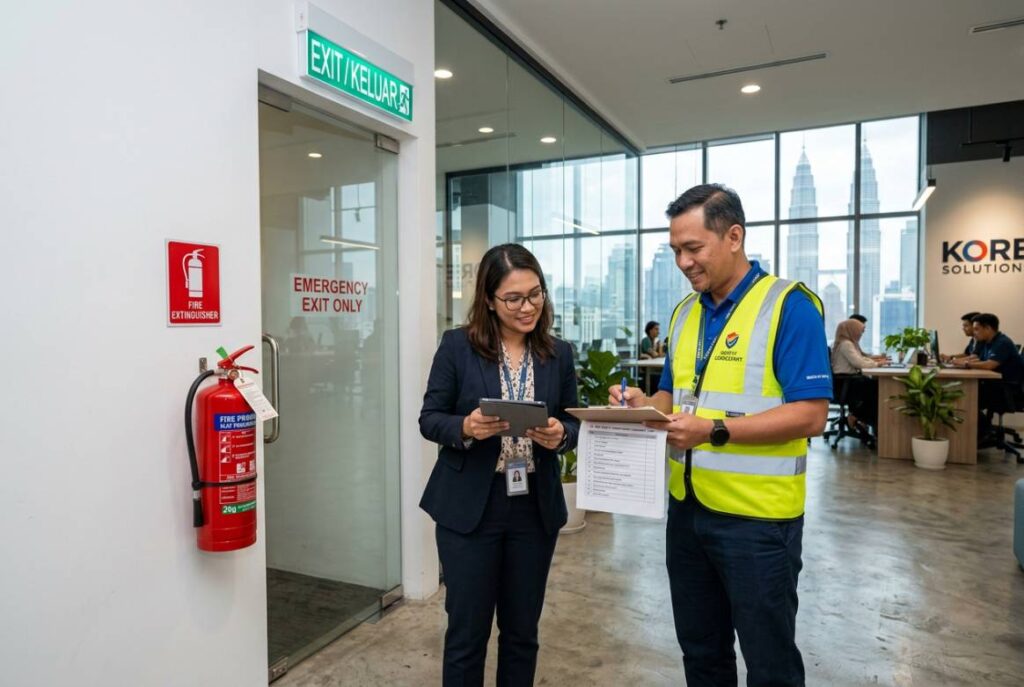
Fire safety requirements may involve emergency exits, fire extinguishers, exit signage, layout plans, equipment placement and overall premises safety.
Business owners should prepare this early because fire safety approval can affect the overall business license application timeline.
Can One Business Need More Than One License?
Yes, one business may need more than one license or approval.
For example, a restaurant may need:
- Restaurant license
- Premise license
- Signboard license
- Bomba support letter
- Health-related approval
- Renovation or partition approval, if applicable
A factory may need:
- Factory license
- Premise license
- Signboard license
- Fire safety support
- Environmental or machinery-related approval, depending on activity
A retail shop may need:
- Premise license
- Signboard license
- Product-related approval, if selling controlled goods
This is why business owners should not only ask, “Do I need a business license?” A better question is, “Which licenses and supporting approvals does my business activity require?”
Common Mistake: Applying Based on Company Registration Only
One common mistake is applying for a license based only on the SSM business nature without considering the actual operation at the premises.
For example, your SSM may state “trading,” but your actual premises may be used for food preparation, storage, repacking, manufacturing or customer treatment services.
If the authority finds that the actual business activity does not match the license category, the application may be delayed or rejected.
To avoid this issue, you should review:
- What your business actually does
- Where your business operates
- Whether customers visit the premises
- Whether food, machinery, chemicals or treatment services are involved
- Whether you have a signboard
- Whether renovation or partition work is needed
- Whether fire safety support is required
The more accurate your application is from the beginning, the smoother the approval process will be.
Why You Should Plan Your Business License Early
Business license planning should not be the last step before opening. It should be considered before you rent a premises, renovate the unit, install a signboard or start operation.
Early planning can help you:
- Choose a suitable premises
- Avoid applying for the wrong license
- Prepare documents properly
- Reduce approval delays
- Avoid unnecessary renovation changes
- Prevent signboard rejection
- Meet local council requirements
- Start business operation more confidently
For businesses such as restaurants, factories, warehouses and beauty centres, early planning is even more important because the premises setup may affect approval.
How Camp Management Can Help With Business License Malaysia
Applying for the right Business License Malaysia can be confusing because every industry, business activity and local council may have different requirements.
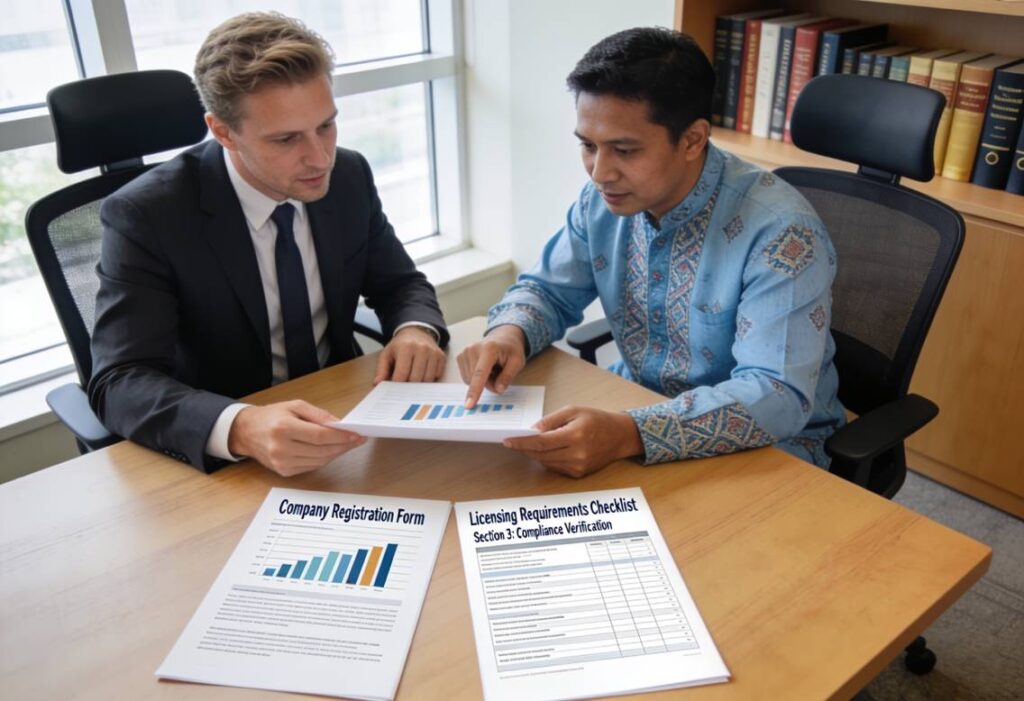
Camp Management helps business owners review the correct license category, prepare required documents, submit applications and follow up with the relevant authorities.
Our business licensing services include:
- Business License Malaysia
- Premise License Malaysia
- Signboard License Malaysia
- Factory License Malaysia
- Restaurant License Malaysia
- Partition Permit
- Surat Sokongan Bomba
- Local council license application support
- Business license renewal support
Whether you are opening a shop, office, restaurant, factory, warehouse or service-based business, proper licensing support can help reduce avoidable delays and improve your approval process.
Conclusion
A Business License Malaysia is not the same for every company. The license you need depends on your business activity, premises type, local council area, signboard usage, renovation work and industry-specific requirements.
Before applying, business owners should identify the correct license category and check whether additional approvals are required. This can help avoid wrong submissions, approval delays and unnecessary compliance issues.
If you are unsure which business license your company needs, Camp Management can assist you with professional guidance and application support for your business licensing process in Malaysia.



 Chinese
  English